Story Titles
A great title does more than sound clever.

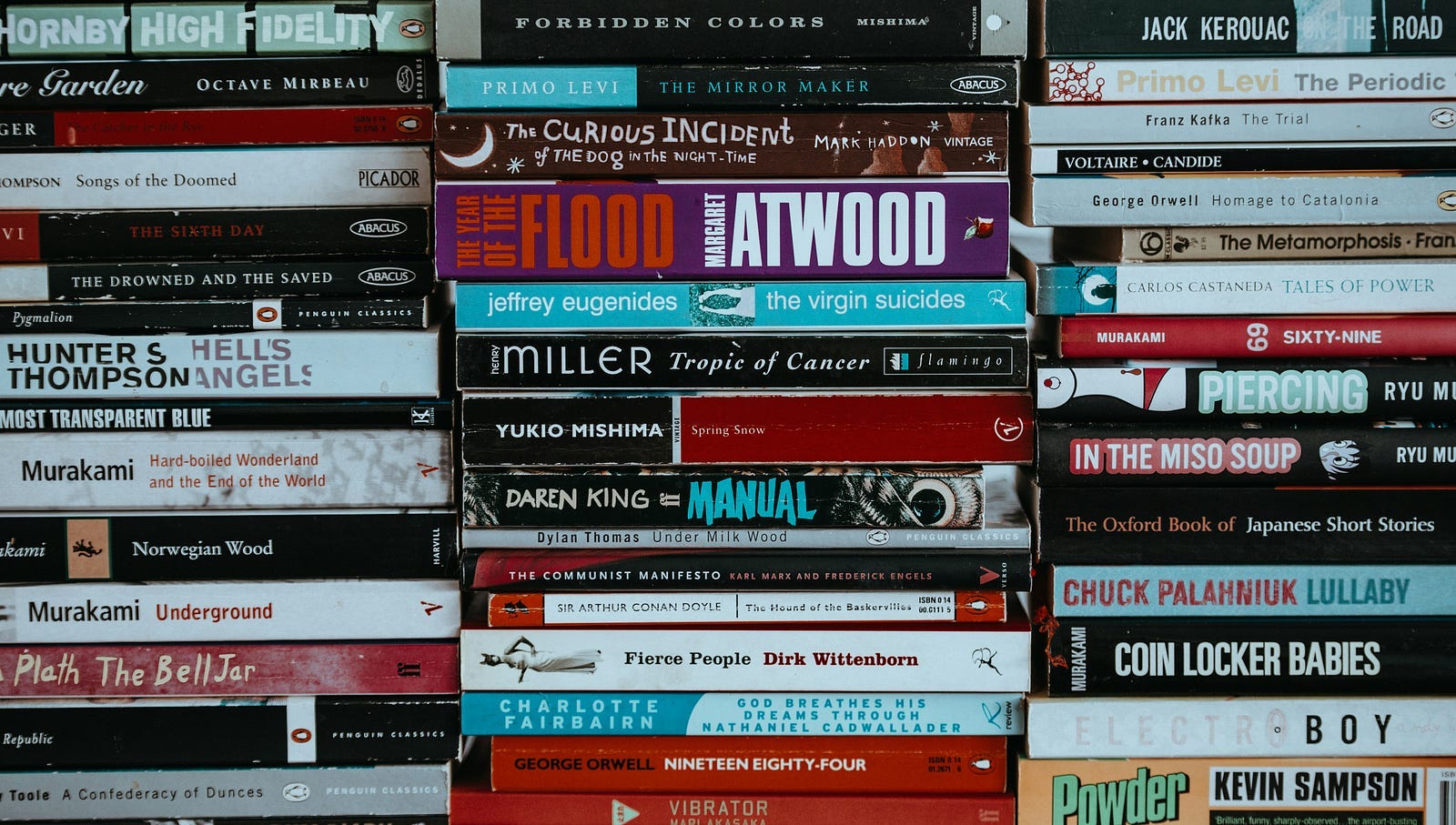
No Copyright Issues with Book Titles in the English-Speaking Market
One of the biggest misconceptions among new authors is that book titles are protected by copyright. In the United States, the United Kingdom, Canada, Australia, and most English-speaking markets, you can’t copyright a book title.
That means multiple books can share the same title. I have a book called Destroyer, and there are plenty of other books called Destroyer out there. The title itself isn’t protected. What matters is whether readers can distinguish your book from everyone else’s. Your cover, subtitle, series branding, and presentation all play a role in making that happen.
Could Be a Trademark Issue
While titles aren’t protected by copyright, certain words, names, and brands may be protected by trademark.
That’s where authors can get themselves into trouble. You can’t slap a famous trademark into your title and assume everything is fine. If a well-known property creates confusion in the marketplace, you’re inviting problems. And if you’re up against a massive brand with deep pockets, even being technically right may not help much. That’s why it’s important to understand the difference between copyright and trademark before settling on a title.
Look at Your Genre
Whenever I come up with a title, the first thing I do is search for it. Amazon has such a large share of the book market that it’s the perfect place to start.
If the title already exists, I ask a simple question: will readers confuse my book with someone else’s? If a major author already dominates that title in my genre, every search for my book could end up sending readers to theirs. That’s not marketing. That’s free advertising for somebody else. A title might be perfectly legal to use and still be a terrible business decision.
Is the Title Genre Appropriate?
A title needs to fit reader expectations.
One of my early books was originally titled It’s Not Enough to Just Exist. I thought it was a great title for a post-apocalyptic survival novel. Turns out it sounded much more like contemporary young adult fiction. The title wasn’t attracting the readers I wanted. Eventually, it became End Times Alaska, which immediately communicated both the setting and the genre.
Readers make snap judgments. A title should give them enough information to know they’re in the right place without telling them the entire story.
Will the Title Give Your Cover Designer Fits?
Authors sometimes fall in love with long, elaborate titles that look great in their heads and terrible on a cover.
Your title has to fit the design. It has to be readable as a thumbnail. It has to stand out on a crowded sales page. A seventy-word title may sound profound, but it’s a nightmare for cover design. Personally, I prefer one- to three-word titles whenever possible. They’re easier to remember, easier to market, and easier to display.
The title and cover work together as a team. If the title fights the design, both suffer.
Final Thought
A great title does more than sound clever. It helps readers find your book, understand your genre, and remember what they saw. Before committing to a title, research it. Look for trademark issues. See what already exists in your genre. Think about how it will look on a cover.
Most title problems aren’t legal problems. They’re marketing problems. The goal isn’t simply to find a title you love. The goal is to find a title that helps readers discover your book and immediately know it’s meant for them.
Story Titles — Original Medium Article
Story Titles — Over 1000 Five Minute Focus videos on the Successful Indie Author YouTube Channel
Successful Indie Author articles are created from reworking the original Five Minute Focus video transcripts obtained through HappyScribe. The final drafts are edited in Prowritingaid.
Author Sprints for Maximum Productivity — Sprint Your Way to Becoming a Successful Indie Author
SIA Writing Challenge website — Record Your Progress on Your Way to Becoming a Successful Indie Author
Craig Martelle is an author, leader, and entrepreneur living in Alaska. Retired from the Marine Corps military intelligence community and physical security, he graduated summa cum laude from law school and went into business consulting. From intelligence, to the inner workings of company boardrooms, to on-the-ground leadership, Craig has seen it firsthand.
He is a million-selling author of over 200 science fiction (post-apocalyptic, military sci-fi, and space opera), thrillers, and the non-fiction series, Successful Indie Author. Craig has been running author conferences since 2017, and also the Successful Indie Author Facebook Group, and the Successful Indie Author YouTube Channel.
Leadership is a service, not a crown to lord over others.