Book Subtitles
Subtitles are another tool in your publishing toolkit.

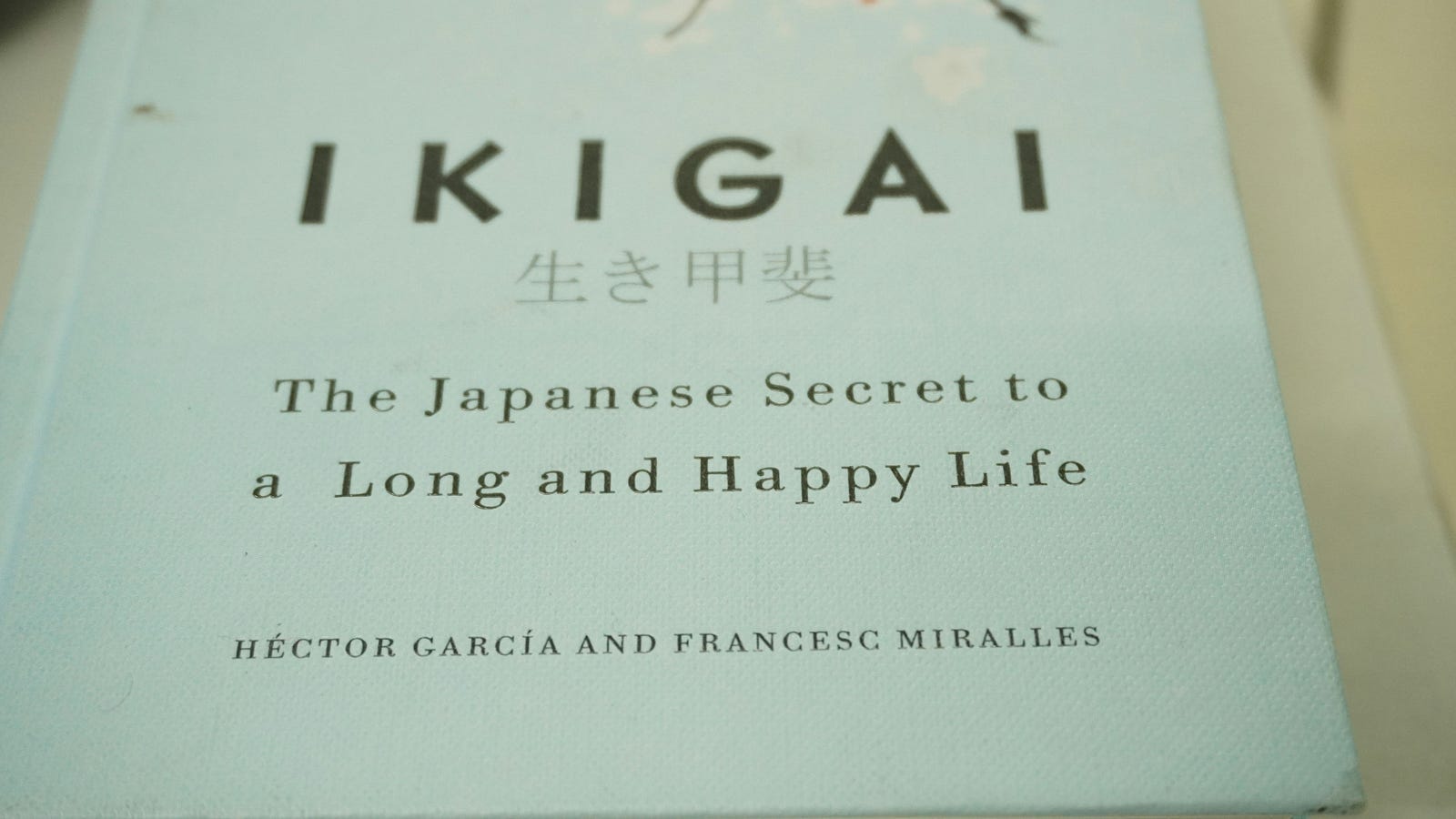
Amazon’s Terms of Service: The Ambiguity
Amazon’s Terms of Service can be a little fuzzy when it comes to subtitles. They lump the subtitle rules in with title requirements, even though they’re technically separate fields. Here’s what they say:
“A subtitle is an optional secondary title that contains additional information about the content of your book. Together, your title and subtitle must be 200 characters or less. Your subtitle should adhere to the same guidelines as your title above.”
Then, when you go up to the title section, it states:
“The title field should only contain the actual title of your book as it appears on your book cover.”
That’s where the confusion starts. The subtitle rules reference the title rules, but most of us — myself included — use subtitles that don’t appear on the cover. They do, however, appear on the title page inside the book. That distinction matters, because it’s still part of the reading experience, and Amazon, in practice, tends to care most about one thing: the reader’s experience.
Reader Experience Comes First
Amazon’s entire system revolves around customer satisfaction. If a subtitle helps readers understand what kind of book they’re getting, great. If it clutters the listing or feels like keyword stuffing, it hurts the experience, and that’s when Amazon steps in.
A positive reader experience is the key. Always come back to that idea whenever you’re making publishing decisions. Subtitles should add clarity and value, not confusion.
My Example: A Space Opera Adventure Legal Thriller
One of my most “wordy” subtitles is A Space Opera Adventure Legal Thriller. It crosses genres, and it’s exactly what that book is. I’ve sold a lot of copies in that series, with few returns and strong reviews.
I actually asked Amazon about this in person. Their response was simple: as long as it doesn’t negatively affect the reader experience, it’s fine. They confirmed that my books were fine.
If I ever got a warning, I would remove the subtitles until I could update my covers to include them, then re-upload. But for now, they work. They describe the story accurately, they help the algorithm, and readers respond well.
What Amazon Doesn’t Like
What Amazon does not like is obvious keyword stuffing. Something like “A lawyer legal court drama in space cosmos universe” is not helpful. That’s not how people talk, and it doesn’t reflect how readers search.
Stuffing your subtitle with every synonym you can think of doesn’t make your book more discoverable. It makes it look spammy. And spam hurts the customer experience, which means Amazon will eventually clamp down on it.
When in Doubt, Put It on the Cover
If you want to play it completely safe, include the subtitle on your cover. That way, it’s beyond question. But keep in mind that cover space is premium real estate. Between your title, author name, and imagery, there’s not always room for extra words.
Personally, I would rather have a clean, powerful cover than clutter it up just to play it safe. Still, if you’re risk-averse, that’s your safest route.
Subtitles also have a practical purpose beyond appearance; they help Amazon’s algorithm connect your book with the right readers. The more your title, subtitle, blurb, and keywords align, the better Amazon can identify your ideal audience. That’s how you get your book shown on page one or two of recommendations — the “algo love” we all chase.
Final Thought
Subtitles are another tool in your publishing toolkit. They can help readers find your book and understand what they’re getting. The key is to use them honestly and thoughtfully.
If you’re ever unsure, remember: reader experience comes first. Don’t keyword stuff. Don’t mislead. Use subtitles to clarify, not to clutter. And if you want to be extra cautious, put the subtitle on your cover.
In the end, when your titles, subtitles, and blurbs all align, Amazon’s algorithm does the rest, connecting your stories with the readers who will love them most.
Book Subtitles - Original Medium Article
Book Subtitles - Over 1000 Five Minute Focus videos on the Successful Indie Author YouTube Channel
Craig Martelle is an author, leader, and entrepreneur living in Alaska. Retired from the Marine Corps military intelligence community and physical security, he graduated summa cum laude from law school and went into business consulting. From intelligence, to the inner workings of company boardrooms, to on-the-ground leadership, Craig has seen it firsthand.
He is a million-selling author of over 200 science fiction (post-apocalyptic, military sci-fi, and space opera), thrillers, and the non-fiction series, Successful Indie Author. Craig has been running author conferences since 2017, and also the Successful Indie Author Facebook Group, and the Successful Indie Author YouTube Channel.
Leadership is a service, not a crown to lord over others.
A very interesting view into how Amazon treats subtitles. My sci-fi book that came out last October had a subtitle, and all the books in the same universe will share it (The Imperial Chronicles), but since it was traditionally published, I didn’t have to worry about filling out the Amazon form.
However, it’s getting more and more tempting to try self publishing, so I’m glad to read articles like these that help authors smooth out the bumps in the procedures.